

Last Updated: November 17, 2026
Quick Summary
Indian street food trends in 2026 are led by regional dishes from Kerala, Goa and Nagaland, modern presentations of traditional snacks, and chatpata flavours built on tangy, crunchy and creamy contrasts. Lighter, vegetable-forward plates and street-food-inspired brunch are also gaining ground, with Sheffield diners rewarding kitchens that explain provenance and allergens clearly.
- Regional dishes like Kerala fish curry and Goan balchão drive menu innovation through provenance and storytelling.
- A £7-£9 chaat plate must justify itself against a £12-£14 main for cost-conscious diners.
- Under Food Standards Agency guidance, allergen information for unpackaged food must be accurate and available.
- Repeat orders, not one strong opening weekend, are the reliable signal of real demand.
- Order two vegetable-forward plates and one richer dish to share for a lighter meal.
Table of Contents
- Why Indian Street Food Trends 2026 Look Different
- Regional Indian Street Food Moves Beyond the Familiar Staples
- Modern Indian Street Food: Traditional Flavours With a New Presentation
- The Indian Street Food Flavours Defining 2026
- How Indian Street Food UK Demand Is Shifting
- Lighter, Fresher and Vegetable-Forward Street Food
- Street-Food-Inspired Breakfast and Brunch in 2026
- Where to Try These Indian Street Food Trends in Sheffield
- Frequently Asked Questions
Why Indian Street Food Trends 2026 Look Different
Indian street food trends in 2026 are being shaped by a generation of diners who want provenance, not just heat. They ask where a masala comes from. They want the crunch of a fresh papdi, the tang of a tamarind chutney made that morning, and a plate that looks as vivid as it tastes.
The bigger change is that street food has stopped being the cheap add-on to a curry-house menu. It is now the main event. Regional identity, food storytelling and lighter cooking have moved from the fringes to the centre of how restaurants build menus.
Below, we rank the trends defining the year, from the dishes worth seeking out to the flavours winning plates, and where in Sheffield to try them.
Regional Indian Street Food Moves Beyond the Familiar Staples
Regional Indian street food is the single biggest driver of menu innovation this year. Diners have eaten enough generic tikka and korma. What they want now is the specific: a Goan prawn balchão, a Naga chilli chutney with real fire, a Kerala fish curry soured with kudampuli.
This is where food discovery meets provenance. A dish with a named region behind it tells a story, and storytelling sells. Menus that explain the origin of a masala or the town behind a snack give guests a reason to order something unfamiliar.
For a deeper look at how regional cooking shapes authenticity, our guide to what makes Indian food authentic breaks down the differences between Kerala, Goan and Naga kitchens.
Kerala, Goan and Naga Dishes Worth Seeking Out
- Kerala: fish moilee, appam with stew, and banana chips fried in coconut oil
- Goa: prawn balchão, chorizo croquettes, and tangy fish cutlets
- Nagaland: smoked pork with bamboo shoot, and fiery chilli chutneys
Modern Indian Street Food: Traditional Flavours With a New Presentation
Modern Indian street food keeps the flavour memory intact and changes the format. The same chatpata punch, the same crunchy snacks and creamy textures, plated with more care and less oil.
What most guides miss is that this is not fusion for its own sake. A well-made modern plate still tastes like the street stall it came from. The difference is in the balance: lighter sauces, sharper garnishes, and portions built for sharing rather than filling.
For the full picture of Indo-Chinese plates and what to order, see our modern Indian fusion restaurant Sheffield guide.
The Indian Street Food Flavours Defining 2026
Indian street food flavours in 2026 revolve around contrast: something crunchy against something creamy, something tangy against something rich. Chatpata, the lip-smacking blend of sour, spicy and salty, is the profile diners keep coming back to.
Chatpata, Tangy and Creamy: The Flavour Combinations Winning Plates
- Tangy and crunchy: tamarind chutney over crisp papdi
- Creamy and spicy: cool yoghurt against a hot green chutney
- Smoky and sour: charred skewers finished with lime and chaat masala
- Sweet and savoury: date chutney with sev and pomegranate
How Indian Street Food UK Demand Is Shifting
Indian street food UK demand in 2026 is being pulled in two directions at once: diners are more cost-conscious, but they are also more curious. The result is a market where a £7-£9 chaat plate has to justify itself against a £12-£14 main, and where the operators winning repeat visits are the ones who can explain what is in the dish, where it comes from and why it costs what it does.
The clearest shift is toward transparency. Diners now expect allergen information to be available before they ask, not after. Under Food Standards Agency guidance on allergen information, food businesses in England must provide accurate allergen information for unpackaged food, and many Sheffield operators now print a simple matrix on the menu rather than relying on staff memory. For a diner, that is a useful signal: a restaurant that has done the work on allergens has usually done the work on sourcing too.
A second shift is portion and price architecture. Smaller, shareable street-food plates let a table try several dishes together, which often feels more generous than ordering one large main each. Pricing at Mezwaani depends on the dishes chosen and the group size; please check our website for current prices.
A third shift is local evidence over national forecast. National trend reports are useful for direction, but they do not tell a Sheffield trader whether a Naga chilli chutney will sell on Ecclesall Road in February. Most practitioners find that the reliable signal is repeat orders: if a regional special appears as a weekend special and comes back on the next menu cycle by popular demand, that is demand. If it sells once and stalls, it is curiosity, not a trend. Watch out: treating a single strong opening weekend as proof of a trend is the most common way small kitchens over-commit on stock and staff time.
For diners, the practical test is simple. Ask which region a dish comes from, ask whether the chutney is made in-house, and ask for the allergen matrix. A kitchen that answers all three confidently is usually the one worth returning to.
For the national picture on how street food fits into the wider eating-out market, the Office for National Statistics consumer price inflation data is a useful reality check on how food prices are moving, even if it does not break out restaurant menus line by line.
Lighter, Fresher and Vegetable-Forward Street Food
Lighter, fresher and vegetable-forward street food is the trend most likely to be underestimated in 2026. It is easy to assume that street food means fried snacks, but the plates gaining ground in Sheffield are grilled, fermented, raw or lightly dressed, and they are often the dishes that let a table order broadly without everything tasting heavy.
The practical reason is price and portioning. Vegetable-forward plates let a group share a varied spread while keeping one richer dish on the table. Pricing depends on the dishes chosen and group size; please check our website for current prices.
Dietary needs matter to many diners. Guests with dietary requirements should ask staff about the ingredients in any dish before ordering. Under Food Standards Agency guidance on allergen information, allergen information for unpackaged food must be accurate and available, and that includes the chutneys and garnishes as well as the main plate.
For diners in Sheffield, the useful question is not ‘is it healthy?’ but ‘what makes it light?’ Healthy authentic Indian food options in Sheffield shows lighter curries, vegan dishes and tiffin that keep the flavour. A grilled skewer with a sharp chutney, a lentil chaat with raw onion and coriander, or a bowl of poha with peanuts and lime will all feel fresher than a fried snack, and they usually cost less. If you want to build a lighter meal without losing the chatpata punch, order two vegetable-forward plates and one richer dish to share, rather than one large main each.
Street-Food-Inspired Breakfast and Brunch in 2026
Breakfast is an increasingly discussed area of street food.
Street-food-inspired brunch works because it is shareable and savoury. Small plates of poha, upma and stuffed parathas let a table build a spread, which suits the celebratory, social way people now eat at weekends.
Where to Try These Indian Street Food Trends in Sheffield
Sheffield is where these trends meet real plates. The city’s food scene has grown confident, and diners here are willing to try the regional dishes and modern presentations covered above.
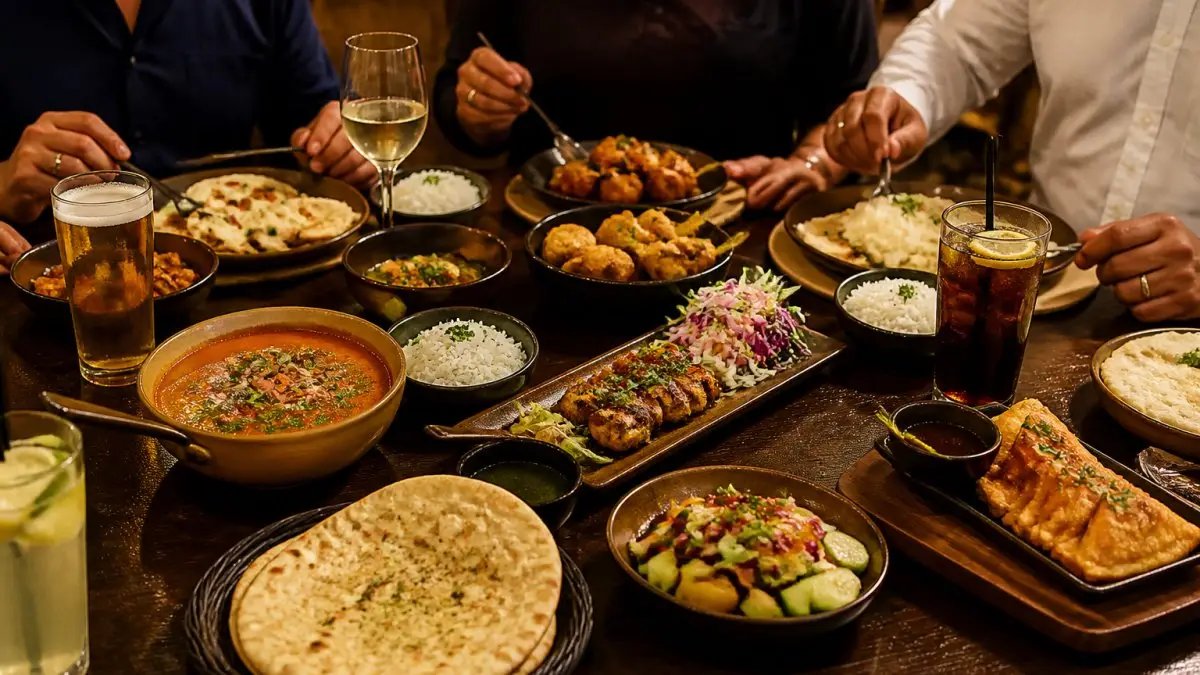
At Mezwaani, our menu features tangy street-style favourites, comforting curries and fusion dishes, served in a warm, celebratory atmosphere. You can explore our menu to see what we offer, or book a table if you are planning a gathering of friends.
Mezwaani is based in Sheffield, with online ordering available for home dining.
| Trend | What to Order | Why It Matters |
|---|---|---|
| Regional dishes | Kerala fish curry, Goan balchão | Provenance and storytelling |
| Modern presentation | Chaat with sharper plating | Same flavour, lighter finish |
| Chatpata flavours | Tamarind and green chutney plates | Contrast in every bite |
| Vegetable-forward | Paneer tikka, lentil dishes | High-protein, fibre-rich |
| Brunch | Masala omelette, shakshuka | Shareable, savoury weekends |
The 2026 trends all point one way: diners want food with a story, cooked lighter, and served in a room worth spending an evening in. That is how we build our menu at Mezwaani, from the tangy street snacks to the fusion plates and the celebratory atmosphere around them. Get started with Mezwaani and taste the trends for yourself, with authentic flavours, a multicuisine menu and online ordering for home.
Frequently Asked Questions
What are the biggest Indian street food trends for 2026?
The strongest 2026 street food trends point to bolder regional cooking, lighter vegetable-forward plates and fusion flavour combinations. Diners are asking for dishes that feel rooted in a specific region rather than a generic curry-house menu. Chatpata, tangy and creamy textures are being combined on the same plate, and breakfast and brunch street food is moving into the mainstream. Expect more dishes that tell a story about provenance and local ingredients, plus a growing focus on high-protein and fibre-rich options.
Which regional Indian street foods are becoming more popular in the UK?
Kerala, Goan and Naga cuisines are gaining ground because they offer flavours that go beyond the familiar staples. Kerala dishes lean on coconut, curry leaves and seafood, Goan cooking brings tangy vinegar and coastal spice, and Naga food delivers a sharper heat. These regional Indian street food dishes give diners a sense of regional identity and provenance, which is exactly what food discovery in 2026 rewards.
How are chefs giving traditional Indian street food a modern twist?
Chefs are keeping the masala and chutneys that make street food recognisable while changing the presentation, portion size and balance. A classic snack might become a shareable small plate with a lighter sauce, or a creamy texture might sit next to something crunchy and fresh. Modern Indian street food also borrows from global cuisines, so fusion flavours appear without losing the original dish’s character. The aim is food storytelling on the plate rather than a heavy, oily version of a familiar dish.
Where can you try Indian street food in Sheffield?
Mezwaani in Sheffield serves street-style favourites alongside curries and fusion dishes, with a menu built around vibrant spices and a celebratory atmosphere. It offers online ordering for home dining, so you can try the flavours whether you are eating in or ordering a delivery. Check the website for current menu and pricing details before you book, and read the verified Google reviews if you want reassurance before your first visit.
